Rewiring the Brain: How Neuroscience Explains Anxiety
11/20/20242 min read
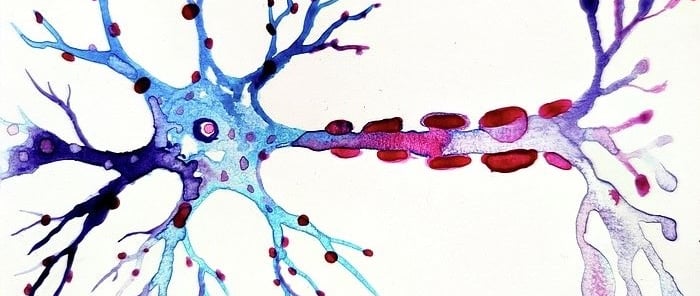
We often think of anxiety as just a feeling—something that suddenly takes over when life gets overwhelming. But what if I told you that anxiety isn’t just a random emotion? What if it’s deeply connected to how your brain developed, particularly in your earliest years?
According to neuroscience, early life experiences don’t just shape your psychology—they also have a profound effect on your brain. When we experience childhood trauma or prolonged stress, the brain’s amygdala—our fear center—becomes hyperactive, like a fire alarm that won’t stop ringing. This wiring leads us to expect danger, even when there isn’t any, keeping us stuck in a chronic anxiety loop.
At the same time, the prefrontal cortex, which is responsible for regulating our emotions, might not develop as it should. This leaves us without the tools we need to manage anxiety effectively, it is like trying to put out a fire with no water. This imbalance between the emotional and rational parts of the brain explains why so many of us struggle with anxiety long after the original threat has passed.
Now, fast forward to adulthood. We might not remember those early years very clearly, but our unconscious mind certainly does. And it’s these unconscious fears that often pull the strings of our anxiety. Maybe you were rejected as a child, and now, years later, you find yourself deeply anxious in relationships, afraid of being abandoned. Or maybe you learned to be hypervigilant as a way to protect yourself from an unpredictable environment, and now you’re constantly on edge, even when there’s no real danger.
Psychodynamic therapy is all about uncovering these hidden fears. It’s about making those unconscious connections between our past and present, shining a light on the dark corners of our mind. Once we start to understand where our anxiety really comes from, we begin to loosen its grip. It’s not a quick fix, but the relief that comes from understanding is profound.
The beautiful thing about the brain is that it’s adaptable—it’s what we call neuroplasticity. This means that even though our early experiences shaped us, we’re not stuck in those patterns forever.
So, the next time anxiety sneaks up on you, I want you to remember something: it’s not just a random feeling. It’s a message from your past, from those early experiences that shaped who you are today. By understanding where that anxiety comes from, by listening to what it’s trying to tell you, you can begin to heal those old wounds.
Krida Wellness
A Space for Healing and Growth. At Krida, We invite you into a space where curiosity is nurtured, where the past can be gently reconsidered, and where the deeper layers of your emotional life are given room to breathe.
Contact us
Nurturing
© 2024. All rights reserved.
Developed by Elefy Networks
kridawellness@gmail.com